Introduction
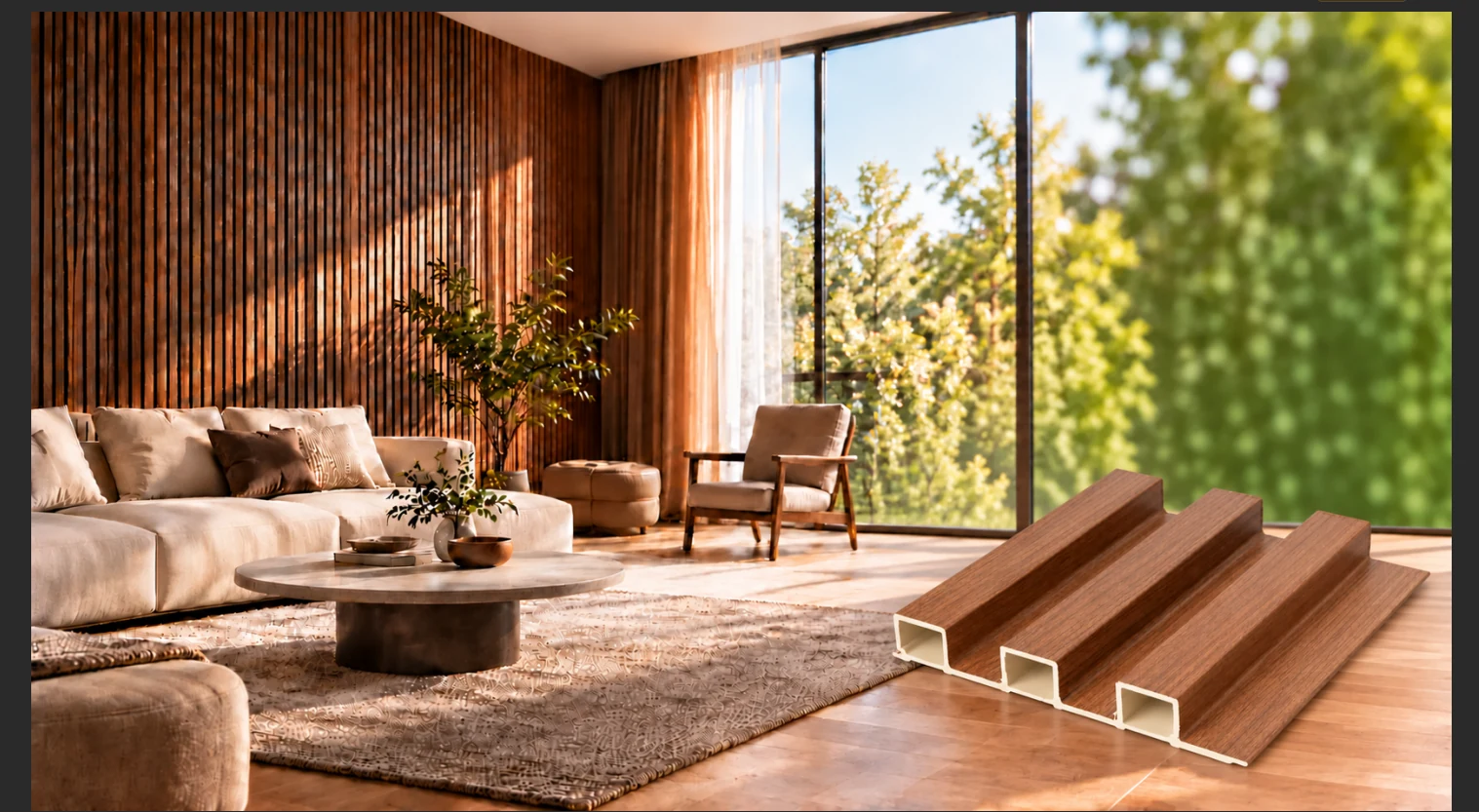
WPC is used in decorative wall-panel systems with different formulations, profiles and surface finishes. This guide explains the material, common manufacturing steps and selection checks. Confirm the intended application against the specific product specification; indoor products should not be assumed suitable for exterior use.
What Does WPC Stand For?
WPC stands for Wood Plastic Composite. It is a composite material manufactured by combining wood fibers or wood powder with thermoplastic polymers, along with stabilizers and processing additives.
Material Composition of WPC Wall Panels
WPC formulations generally contain wood-based filler, thermoplastic polymer and model-specific processing additives. Some formulations may also include mineral fillers, pigments, stabilizers or other functional additives.
Wood Fiber or Wood Powder
Contributes to stiffness and the composite material body.
Thermoplastic Polymer
Binds the ingredients into a continuous matrix and influences moisture response.
Processing & Functional Additives
Support extrusion, color consistency and model-specific performance.
WPC formulations vary by manufacturer and product type. Confirm exact material ratios using the applicable product specification rather than a universal percentage. Visible wood grain may come from an applied film, coating or cap layer, rather than the wood filler itself.
Common WPC Panel Structures
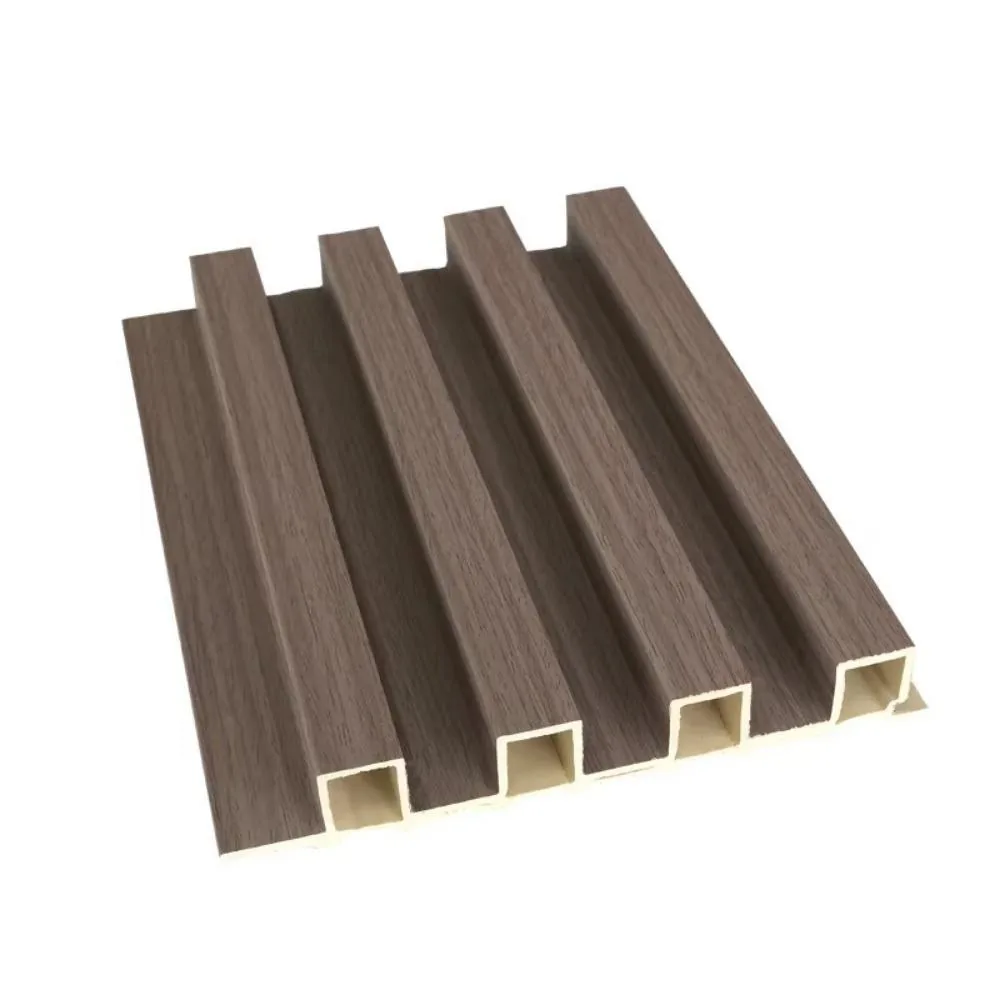
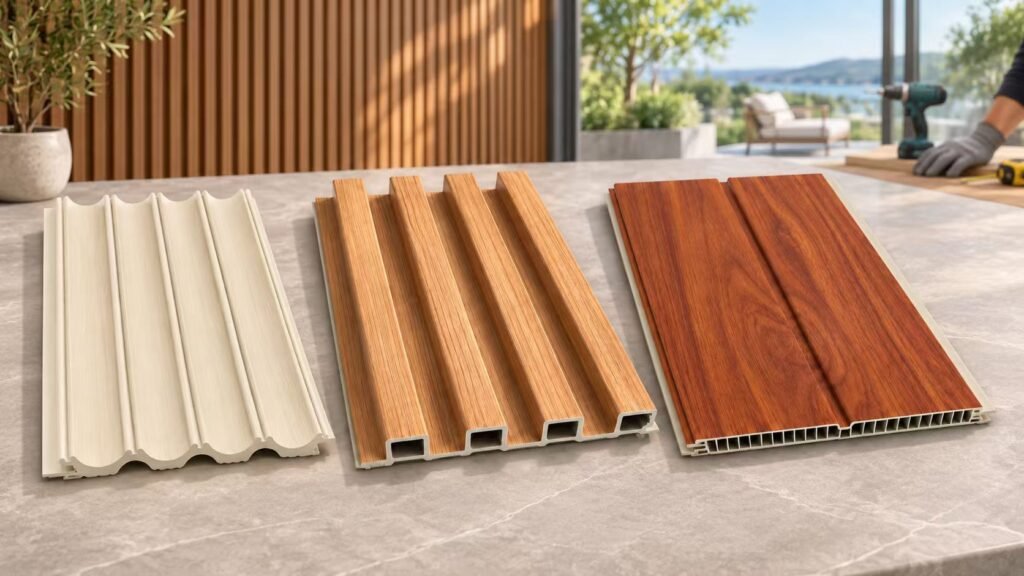
Indoor WPC Fluted Panel
For decorative interior wall applications. Profile dimensions and surface finishes vary by model.
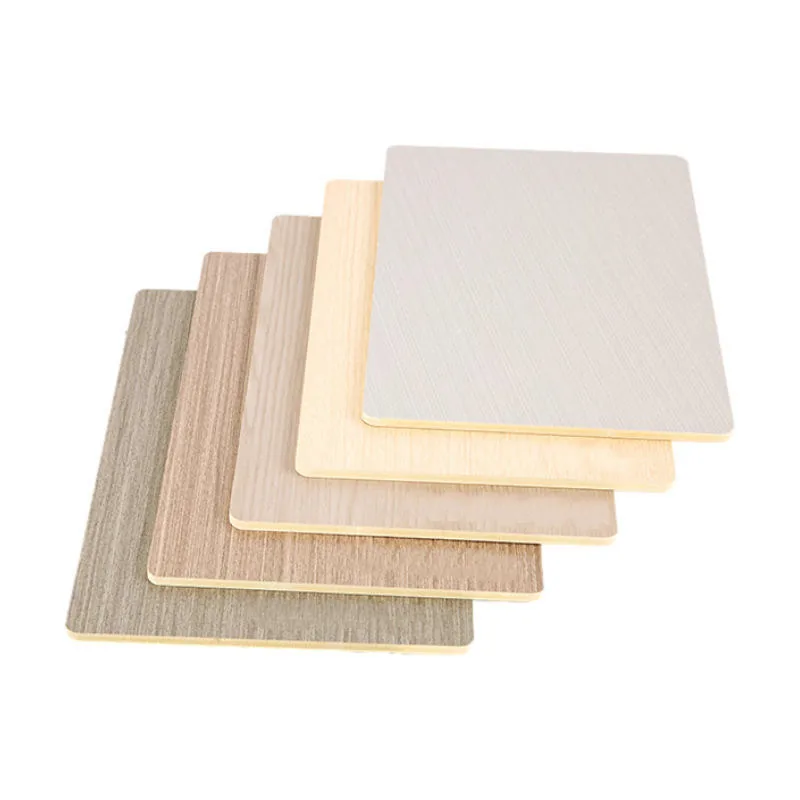
Flat WPC Decorative Panel
The visible finish depends on the selected model and may differ from the core material.
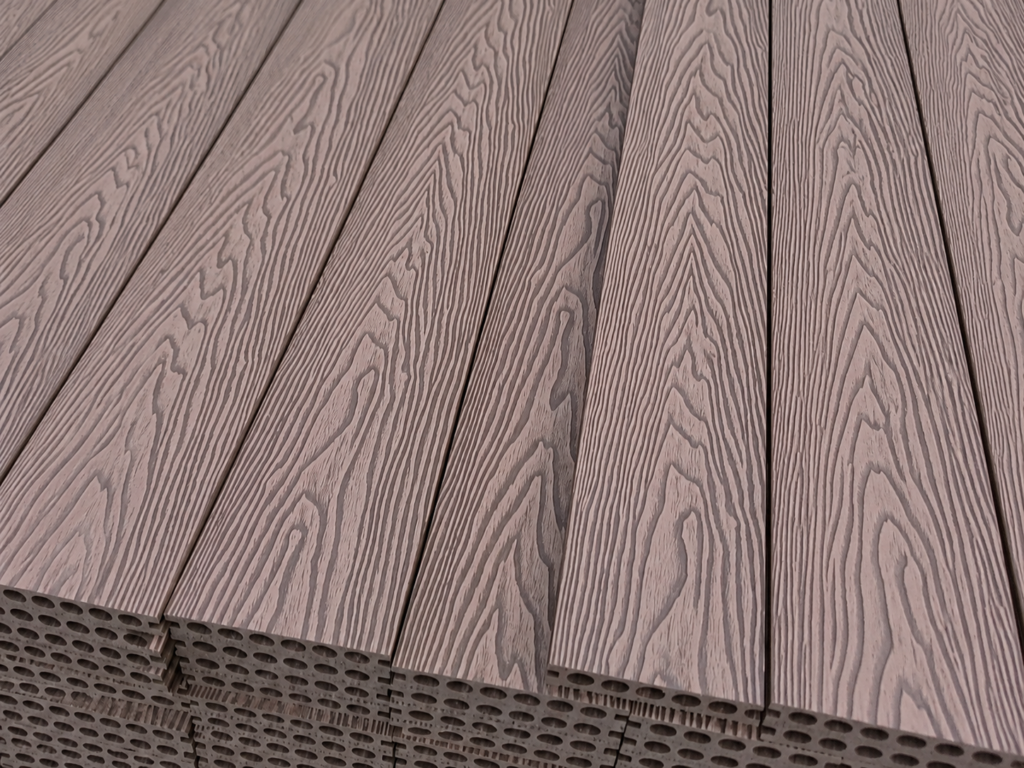
Outdoor Co-Extruded WPC Panel
Exterior-grade models may use a protective cap layer. Confirm exterior suitability and the actual profile specification.
Indoor and exterior-grade WPC products should be selected separately. Confirm exterior suitability, cap-layer construction and the supplied profile specification for the selected model.
How WPC Wall Panels Are Manufactured
A typical manufacturing sequence is shown below. Equipment, process order and finishing methods vary by product and factory.
- 1
Material Preparation
Wood-based filler, polymers and additives are prepared and dosed according to the formulation.
- 2
Controlled Mixing
Ingredients are mixed for consistent compounding and processing.
- 3
Extrusion & Profile Forming
The blended material is heated and extruded into the designed profile cross-section.
- 4
Surface Finishing or Co-Extrusion
Finishing or a co-extruded cap layer is applied where specified. The sequence depends on the product system.
- 5
Cooling, Calibration & Inspection
Profiles are cooled, dimensionally calibrated and inspected for appearance and specified dimensions.
Key Performance & Selection Notes
| Topic | What Buyers Should Know |
|---|---|
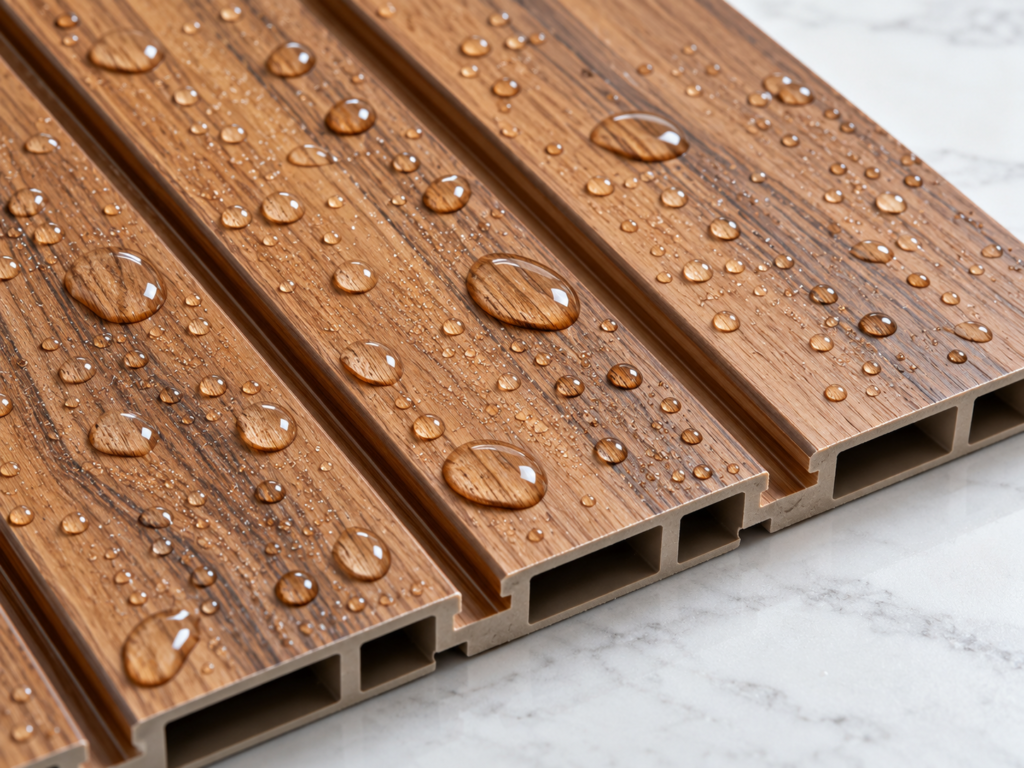
| Moisture Resistance | Moisture response depends on the formulation, panel structure, surface finish, joints and installation environment. Moisture-resistant does not mean waterproof. |
| Dimensional Stability | Movement varies with formulation, temperature and moisture exposure. Follow the selected product’s expansion-gap and installation requirements. |
| Surface Options | Wood-, stone-, metal- and other decorative finishes may be available on applicable models. Confirm the finish and surface treatment. |
| Maintenance | Follow the model-specific care guide. A soft cloth and compatible neutral cleaner are commonly used; test cleaners on an inconspicuous area first. |
| Profile Rigidity & Impact | Varies by profile geometry, wall thickness and formulation. Request applicable test data where required. |
| Structural Use | Decorative wall panels are non-load-bearing finishing products, not structural supports. |
| Outdoor Use | Use only products expressly specified for the intended exterior exposure, including direct sunlight or rain. |
Moisture-resistant does not automatically mean suitable for every wet or outdoor environment. Indoor decorative WPC panels and exterior-grade WPC systems should be selected separately.
Application by Product Type
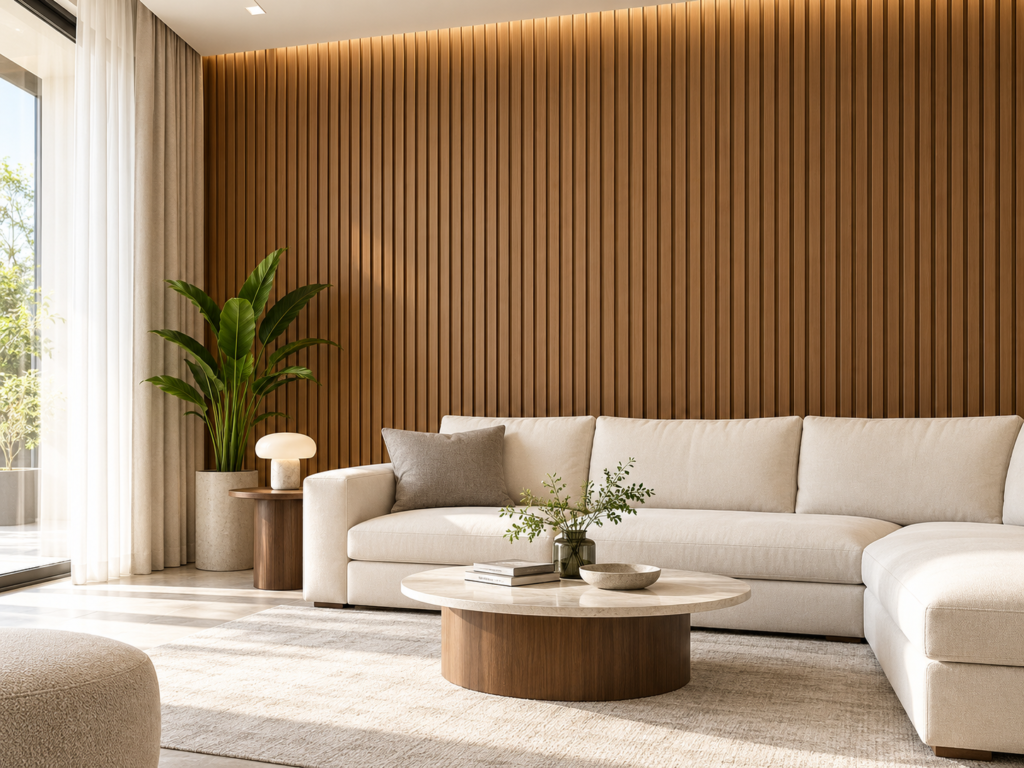
Indoor Fluted Panels
Decorative wall finishes for homes, hotels, offices and retail interiors, according to the selected model.
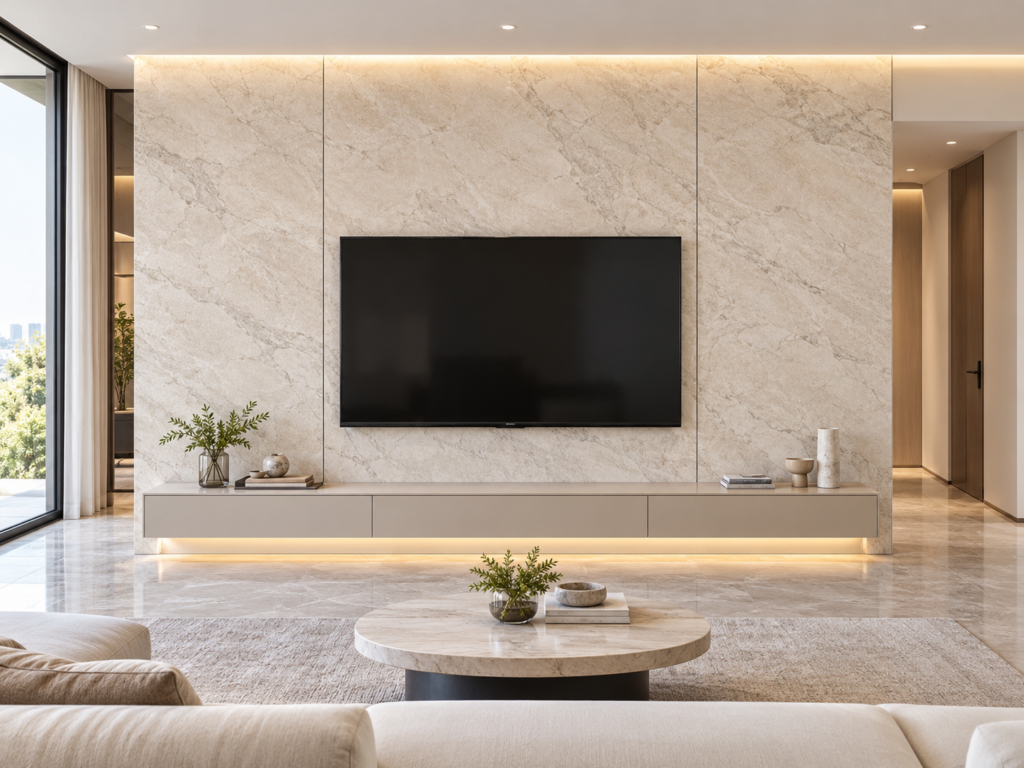
Flat Decorative Panels
For suitable interior feature walls and finishing applications. Cabinet use requires model-specific confirmation.
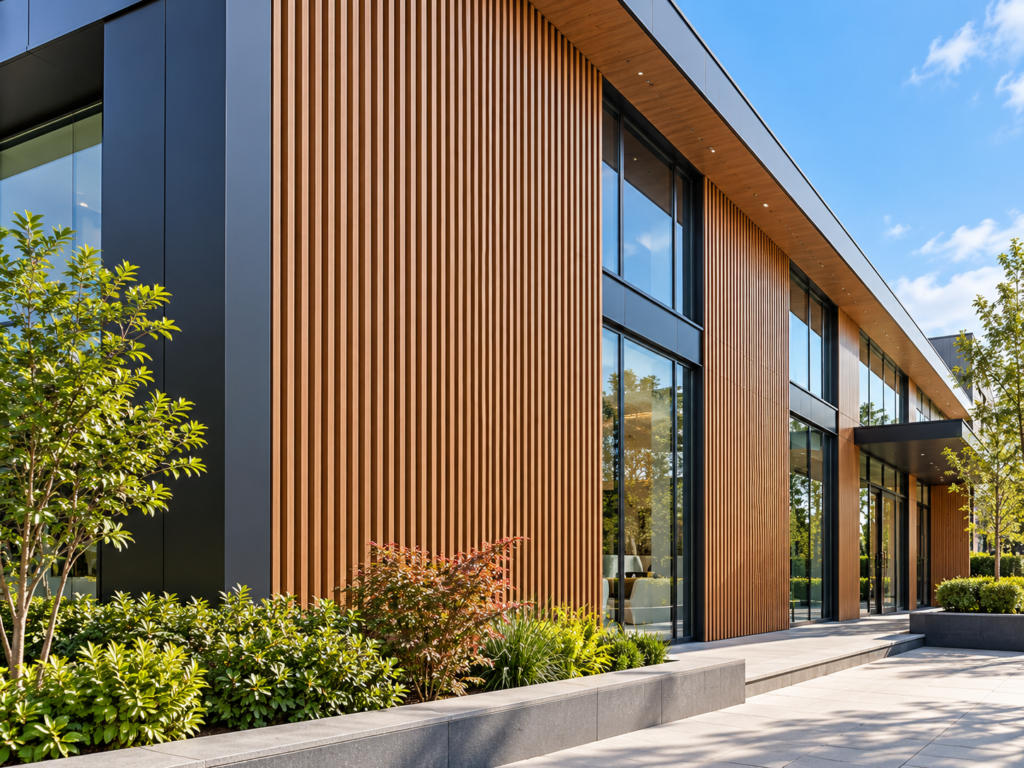
Exterior-Grade Systems
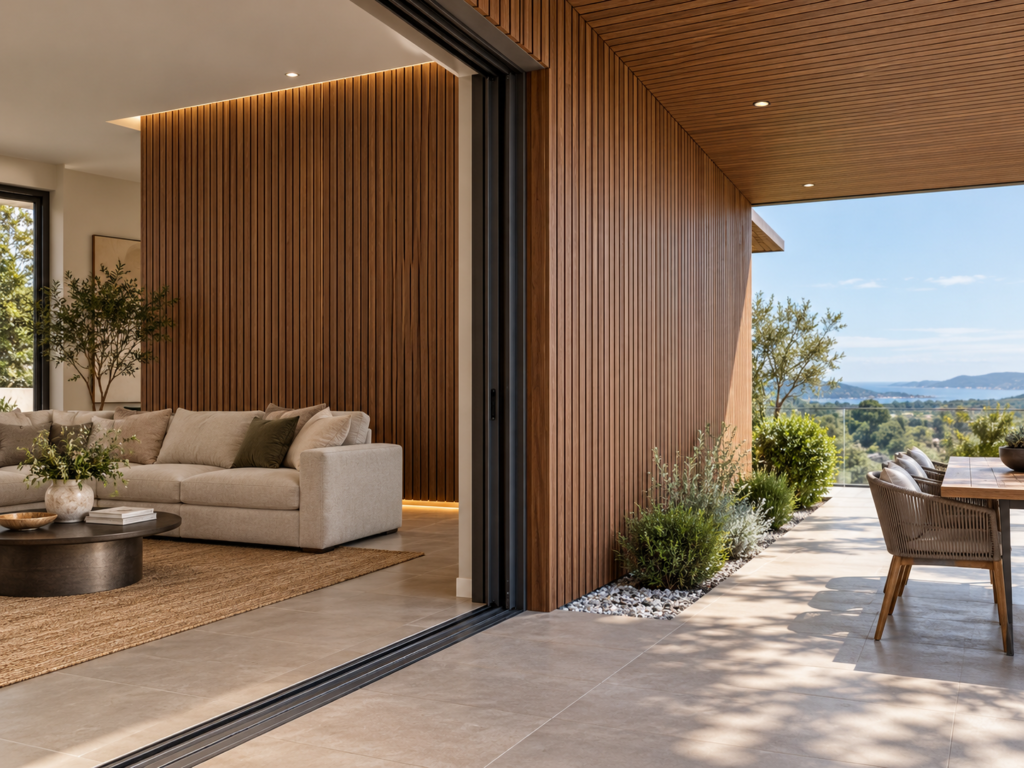
For covered or exposed exterior applications only where the specific product is rated for those conditions.
Specifications Buyers Should Confirm
Panel dimensions
Length, width and coverage area per panel.
Profile wall thickness
Total thickness and profile type: flat, grooved or hollow.
Weight or density
Panel weight per piece or applicable density.
Surface finish
Wood grain, matte, gloss or custom finish.
Color batch consistency
Understand color tolerance across production batches.
Intended indoor or exterior use
Confirm application conditions and exposure.
Installation accessories
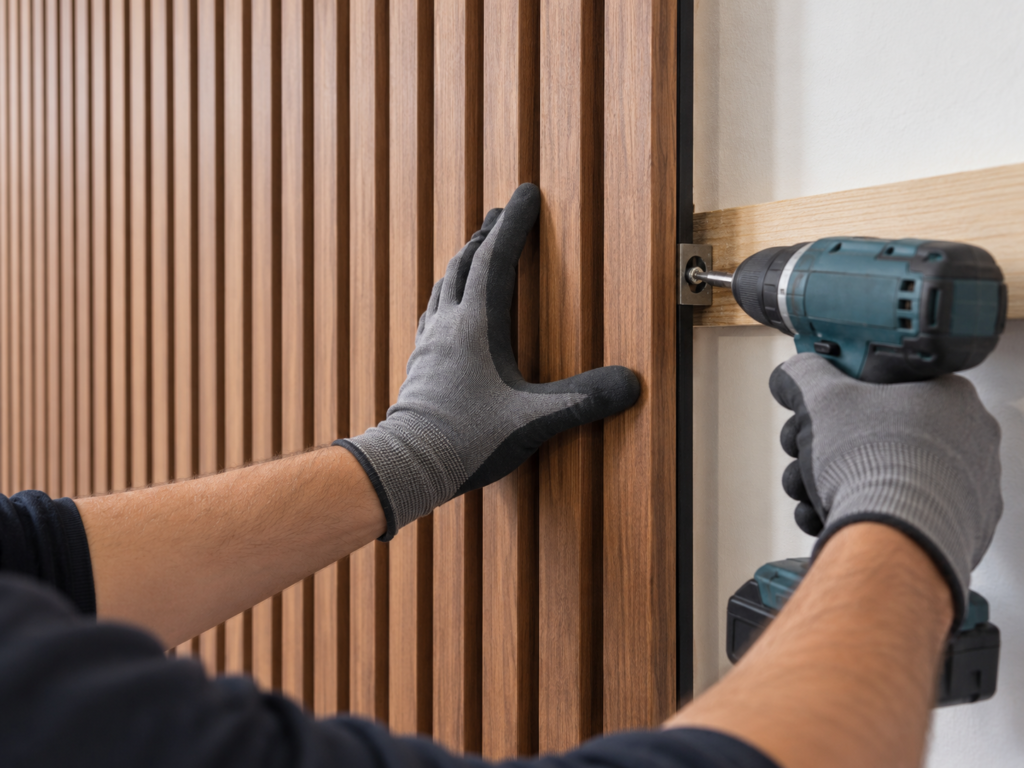
Matching trims, clips, screws and other accessories.
Fire and emission documentation
Request applicable test reports for the selected model.
Packaging and loading quantity
Pieces per carton, carton size and loading capacity.
Summary
WPC wall panels are non-load-bearing decorative finishes made from wood-based filler, thermoplastic polymers and model-specific additives. Select the exact profile, surface finish and indoor or exterior rating for the intended environment. Confirm applicable technical documents, accessories and installation instructions before ordering.